
The direct small-business answer
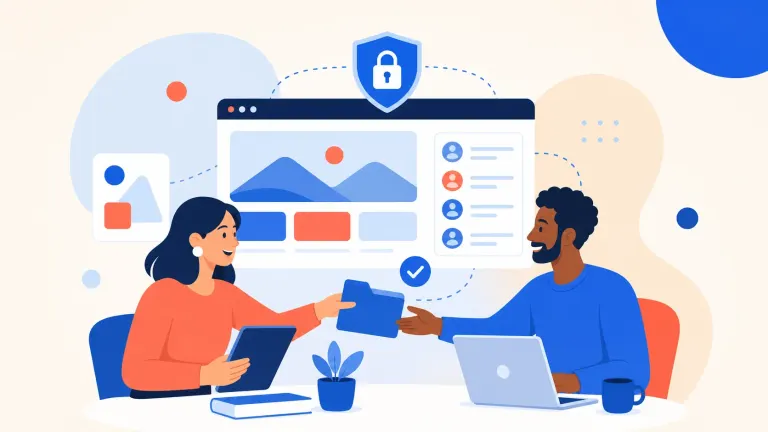
Set AI customer-service guidelines before a chatbot or assistant speaks for the business. Define approved topics and sources, what it must never decide, when it should admit uncertainty, how customers reach a person, and what information should not be collected or exposed.
Before adding technology, map the people, inputs, exceptions, handoffs, and decisions already involved in the work.
Why this matters locally
For businesses where a local relationship matters, an AI assistant should make the first response faster without making a customer feel trapped in a generic loop.
Custom systems and AI workflows work best when they solve a repeatable, defined problem with clear ownership and review.
What to check before you decide
Use this working list before changing a platform, spending more, or handing the work to someone else:
- Limit automated answers to current, approved information and low-risk tasks.
- Provide a visible human escalation route for edge cases and frustration.
- Review real conversations for errors, missed intent, and privacy concerns.
A practical first-week checklist
Keep the first step small enough to complete and useful enough to learn from:
- Write down the one outcome that would make this decision worthwhile.
- Assign one person to own the next action and document what they need.
- Review the result with real customer, owner, or team feedback before expanding the work.
The LOZ perspective
In LOZ custom-build and AI planning, the most valuable early work is making the current process visible. A tool becomes useful when people know what goes in, who reviews the output, what happens when it is wrong, and who owns the next improvement.
For What guidelines should a business set for AI customer service?, a small documented decision is more useful than a large, untested plan. Make the next move measurable, write down what you learn, and let that evidence guide the next improvement.
Keep this decision connected
These related LOZ pages can help you turn the answer into the next useful action:
Authoritative sources
Use these official resources for the mechanics behind this topic. This article is here to connect those mechanics to a small-business decision.
Frequently asked questions
What guidelines should a business set for AI customer service?
Set AI customer-service guidelines before a chatbot or assistant speaks for the business. Define approved topics and sources, what it must never decide, when it should admit uncertainty, how customers reach a person, and what information should not be collected or exposed.
What is a practical first step for AI customer service guidelines?
Start by writing down the business result you need, the person responsible, and the customer or operational handoff that may change. Then complete one small, reviewable action before expanding the work.
How does this apply to a small business in the Lake of the Ozarks area?
For businesses where a local relationship matters, an AI assistant should make the first response faster without making a customer feel trapped in a generic loop.
What should I avoid?
Avoid shortcuts that create inaccurate information, duplicate work, or a system nobody owns. If the next step cannot be explained plainly, tested, and reviewed, make it smaller before investing more.
When should I ask LOZ for help?
Ask LOZ for help when the same friction keeps returning, when ownership or access is unclear, or when the next decision affects customers, money, or the team’s time. A focused conversation can clarify the next useful move before the work grows.