
The direct small-business answer
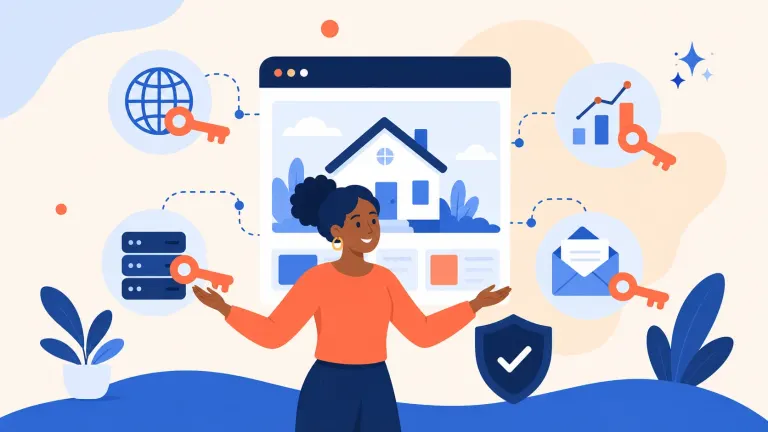
A business should control the domain, hosting, analytics, search, email, advertising, payment, and key website accounts that keep it operating. Vendors can receive appropriate access, but ownership and recovery should stay with the business so a relationship change does not become an emergency.
Write down the current process before changing tools. It is much easier to improve a real workflow than a collection of assumptions.
Why this matters locally
For a locally owned business, account ownership protects the company even when a staff member, family helper, or outside vendor changes roles.
The best digital decisions begin with a plain-English picture of what the business owns, who uses it, and what needs to work next.
What to check before you decide
Use this working list before changing a platform, spending more, or handing the work to someone else:
- Use an organization-controlled email address and documented recovery information.
- Record owners, billing contacts, permissions, renewal dates, and support links.
- Grant vendors role-based access instead of sharing one master password.
A practical first-week checklist
Keep the first step small enough to complete and useful enough to learn from:
- Write down the one outcome that would make this decision worthwhile.
- Assign one person to own the next action and document what they need.
- Review the result with real customer, owner, or team feedback before expanding the work.
The LOZ perspective
In LOZ planning conversations, the strongest projects start with ownership and operating reality. Clear access, clear priorities, and a documented next step do more for a business than another round of platform opinions.
For Why should a small business own its website domain and accounts?, a small documented decision is more useful than a large, untested plan. Make the next move measurable, write down what you learn, and let that evidence guide the next improvement.
Keep this decision connected
These related LOZ pages can help you turn the answer into the next useful action:
Authoritative sources
Use these official resources for the mechanics behind this topic. This article is here to connect those mechanics to a small-business decision.
Frequently asked questions
Why should a small business own its website domain and accounts?
A business should control the domain, hosting, analytics, search, email, advertising, payment, and key website accounts that keep it operating. Vendors can receive appropriate access, but ownership and recovery should stay with the business so a relationship change does not become an emergency.
What is a practical first step for website domain ownership for small business?
Start by writing down the business result you need, the person responsible, and the customer or operational handoff that may change. Then complete one small, reviewable action before expanding the work.
How does this apply to a small business in the Lake of the Ozarks area?
For a locally owned business, account ownership protects the company even when a staff member, family helper, or outside vendor changes roles.
What should I avoid?
Avoid shortcuts that create inaccurate information, duplicate work, or a system nobody owns. If the next step cannot be explained plainly, tested, and reviewed, make it smaller before investing more.
When should I ask LOZ for help?
Ask LOZ for help when the same friction keeps returning, when ownership or access is unclear, or when the next decision affects customers, money, or the team’s time. A focused conversation can clarify the next useful move before the work grows.